How Oral BPC-157 Capsules Work
BPC-157 is a 15-amino-acid peptide — large, as peptides go, but just a fragment of the much large Body Protection Compound protein that lives in gastric juice. The jury is still somewhat out on its precise mechanism of action, but research done so far shows that BPC-157 is quite the multi-tasker. It:
- Kickstarts the development of new blood vessels around damaged areas via the VEGF growth factor pathway — which allows injuries to get more oxygen and nutrients for faster healing.
- Manages blood pressure, inflammation, and blood flow through the nitric oxide system. Exactly as needed. More nitric oxide when the body needs it, less when there’s too much.
- Gets more growth factors, like Epidermal Growth Factor, to the places where the body screams out for it.
- Even, maybe, interacts with dopamine and serotonin. (Some animal studies have spotted mood improvements.)
So, why choose oral delivery for your research? BPC-157 capsules are the right choice under a few different circumstances. Oral BPC-157 works locally, in the gut, where it can repair ulcers, fight inflammation, and help leaky guts heal. It also still has beneficial downstream effects on the rest of the body, including via the gut-brain axis — and that matters too, because some 62 percent of adults have a fear of needles [1] and go to great lengths to avoid them. BPC-157 capsules make sure they don’t have to miss out on the healing and anti-inflammatory effects of a very powerful peptide.
Research-Backed Use Cases: How BPC-157 Speeds Up Healing and Fights Inflammation
Interest in peptides for therapeutic use has grown over the last few years, but there’s no question that BPC-157 is among the most exciting ones around. Why? Because it’s super versatile. Some peptides are essentially single-purpose. Not BPC-157, which is more of an all-round healer that speeds up repair and keeps inflammation in check wherever the body happens to need a little extra help.
This quick overview? It just covers the most promising applications, so we’d warmly recommend further reading — the body of research goes deep with this peptide.
BPC-157 for Gut Health & Gastrointestinal Repair
The parent protein that led to the creation of BPC-157 is native to human gastric juices — where it keeps the GI lining healthy in an environment where few things survive.
It’s no coincidence that extensive research has shown it to be promising for ulcer healing [2], the management of inflammatory bowel disease, fistula closure [3], and better gut barrier integrity [4]. That last area is interesting in that it also applies to GI damage done by NSAID overuse — a very important field of research. A stable oral version of BPC-157 can deliver healing help directly to its destination. That’s why further research is so exciting. It could make all the difference for people who suffer from IBD, leaky gut, and ulcers.
Wound and Tissue Healing in BPC-157 Studies
Topical BPC-157 has proven to be surprisingly effective for skin wound therapy in studies, including for burns. Oral administration with BPC-157 capsules brings that benefit to internal organs — and yes, still without needles.
Research has, so far, focused on diabetic ulcers, post-surgical wounds, and other internal wounds. Two main mechanisms are at work here. BPC-157 boosts collagen production so tissues can heal and wounds can close more quickly, but even more important is its power to “custom order” new blood vessel networks around damaged areas. Those new blood vessels are then able to supply injured sites with the oxygen and nutrients so needed for healing. [5, 6]
BPC-157 Fights Systemic Inflammation
Another promising future application for oral BPC-157? Managing the systemic inflammation associated with numerous chronic conditions. Research has examined BPC-157 for everything from neurological health to advanced periodontitis and COVID-19, and the most important thing to take away from existing studies is that it strongly seems to fight systemic inflammation (instead of just being a local anti-inflammatory).
That has a lot to do with its ability to get inflammatory cytokines to chill out, while moving the body toward immune homeostasis — and improved health. That, in turn, has implications for almost all internal organs — the liver, pancreas, and the brain. [7, 8] Research into BPC-157 as a systemic inflammation fighter very much still continues, so keep an eye out for newly published studies.
BPC-157 in Sports and Orthopedic Medicine
This is probably the most well-known application of BPC-157 — and why wouldn’t it be? Bones, ligaments, muscles, and (especially!) tendons are famously tricky to heal. BPC-157, meanwhile, improves tendon-to-bone and ligament healing [9] and boosts the quality of muscle-tear healing [10]. It also has potential for bone healing. Its effects on callus formation and mineralization in animal models have already been studied with positive findings, and BPC-157 has even been found to heal some segmental bone defects completely [11, 12].
Who Might Consider Researching BPC-157 Capsules?
Oral BPC-157 is not suitable for every study into the effects of this compound, but it’s definitely of interest to researchers for whom needle-free delivery is one of the main goals. BPC-157 capsules are also great for direct GI delivery. Because of these two clear advantages, oral BPC-157 might be the right choice for your next study if you’re researching:
- IBD, leaky gut, ulcers, or GI motility — in which case you get the benefit of “straight to the source of the problem” delivery.
- Chronic disease, especially with inflammation, where daily injections simply aren’t ideal.
- The link between gut and mental health. (We didn’t touch on it in the research overview, but BPC-157 has been studied in the context of depression and anxiety.)
Basically? Oral BPC-157 deserves another look if your BPC-157 study is either directly gut-related or your research goal includes needle-free delivery.
Common Dosing Protocols for BPC-157 Capsules
Researchers need to keep in mind that oral BPC-157 comes with some trade-offs — more convenience comes at the cost of lower bioavailability. It’s still, on the other hand, potent enough to have gastrointestinal and systemic effects.
Research has used a variety of dosing protocols, but the most commonly cited doses are between 200 and 1000 mg per administration. Study protocols may account for two daily doses, and studies usually unfold over at least two to four weeks to observe the full healing effect of oral BPC-157. For more complex injuries or chronic inflammation, studies that last six to eight weeks allow for the observation of functional recovery. Study subjects should fast before administration for better contact with GI mucosa.
Why Choose CellPeptides for Your BPC-157 Research?
Peptides are fragile. There’s a reason most are designed for subcutaneous delivery. BPC-157 is the outlier. It stays stable and active in the most hostile conditions, deep within the gut, because that’s the peptide’s home turf. Oral delivery is a viable and logical choice for research into Irritable Bowel Syndrome, ulcers, gut inflammation, and other GI conditions, but most suppliers treat BPC-157 capsules as an afterthought. We don’t.
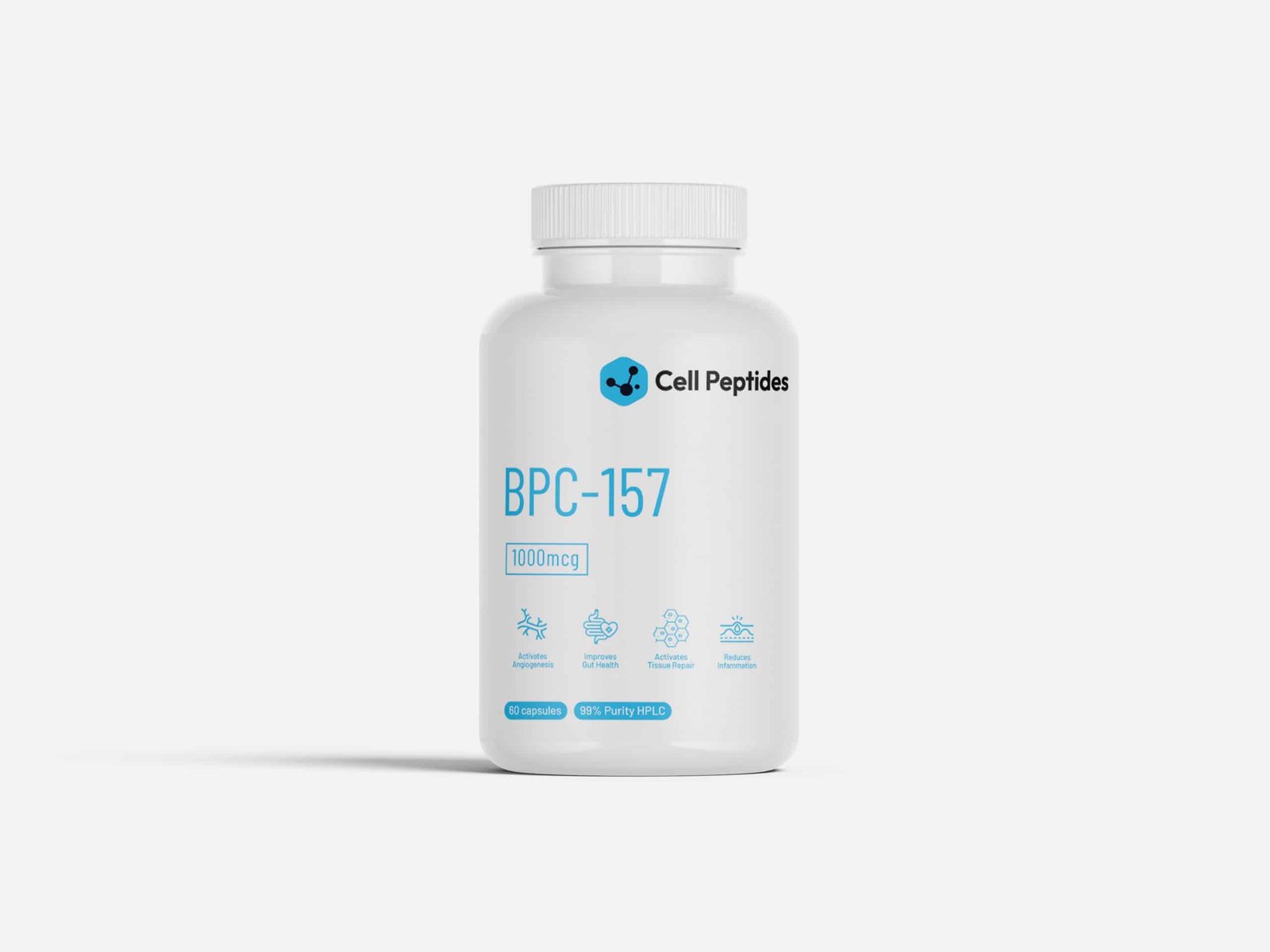
Our BPC-157 capsules, for oral delivery, are:
- Stable. CellPeptides uses enteric capsules made to survive stomach acid, so the payload gets to its target intact.
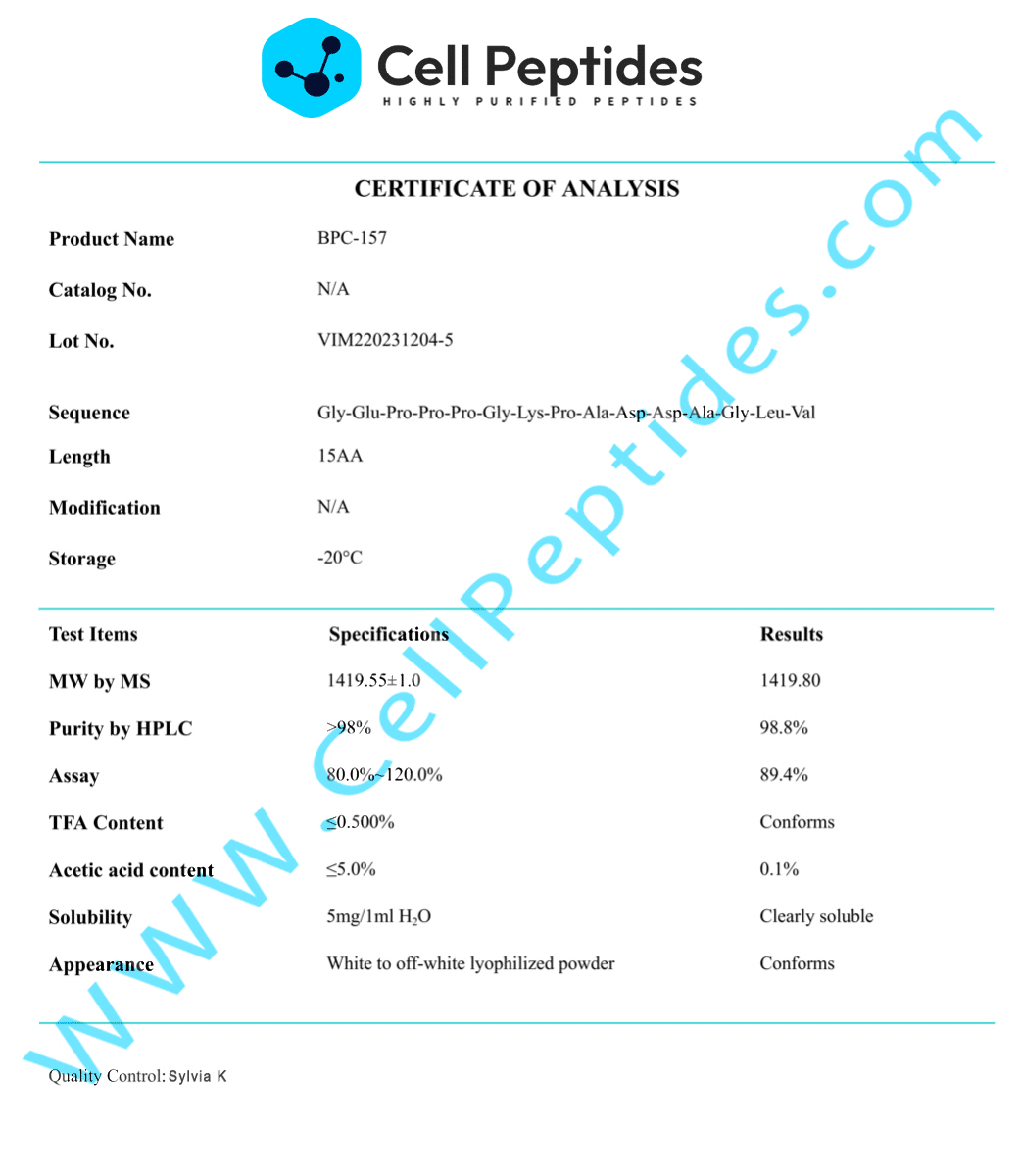
- Pharma-grade and research-ready — >99% purity every time.
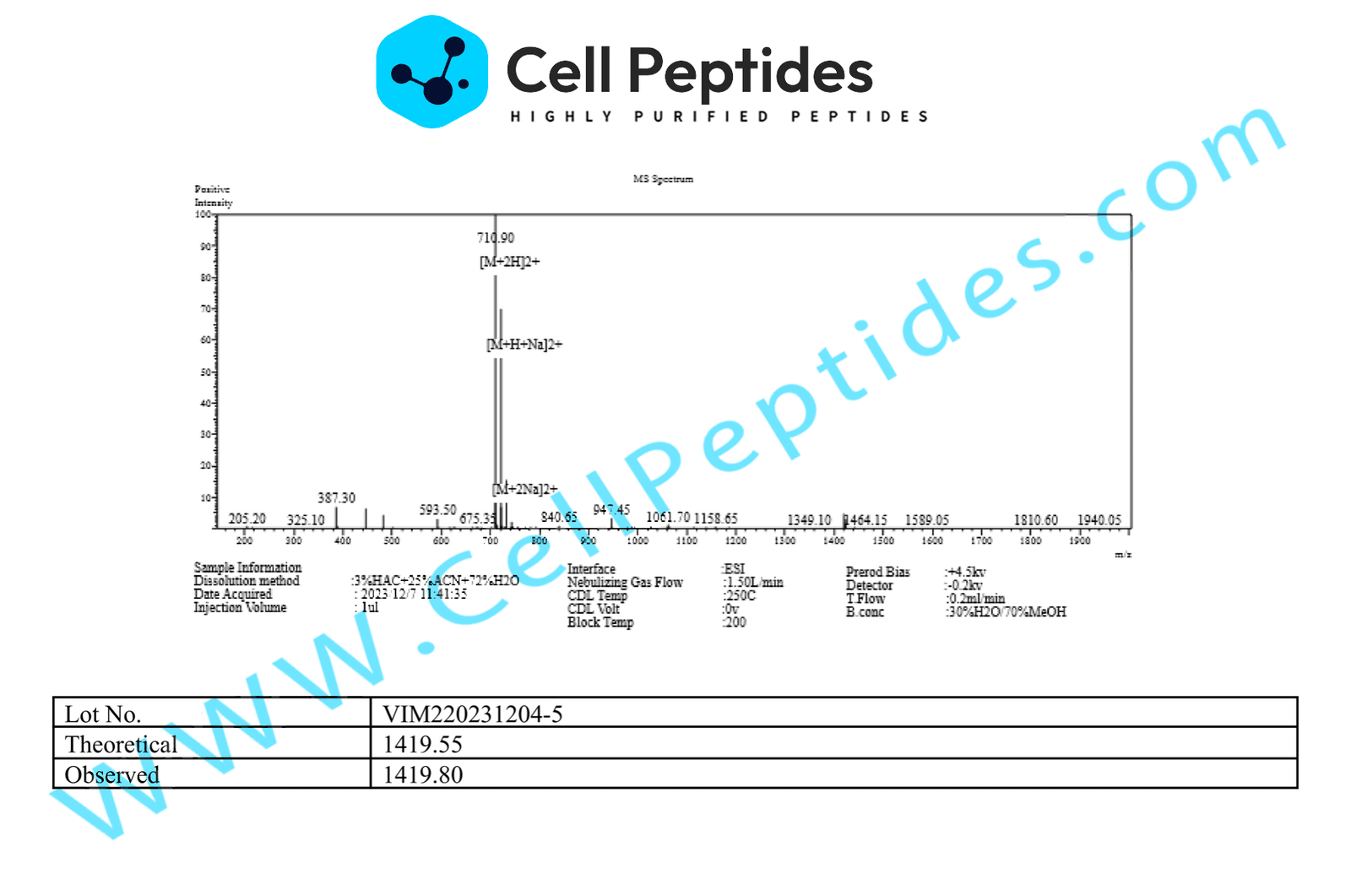
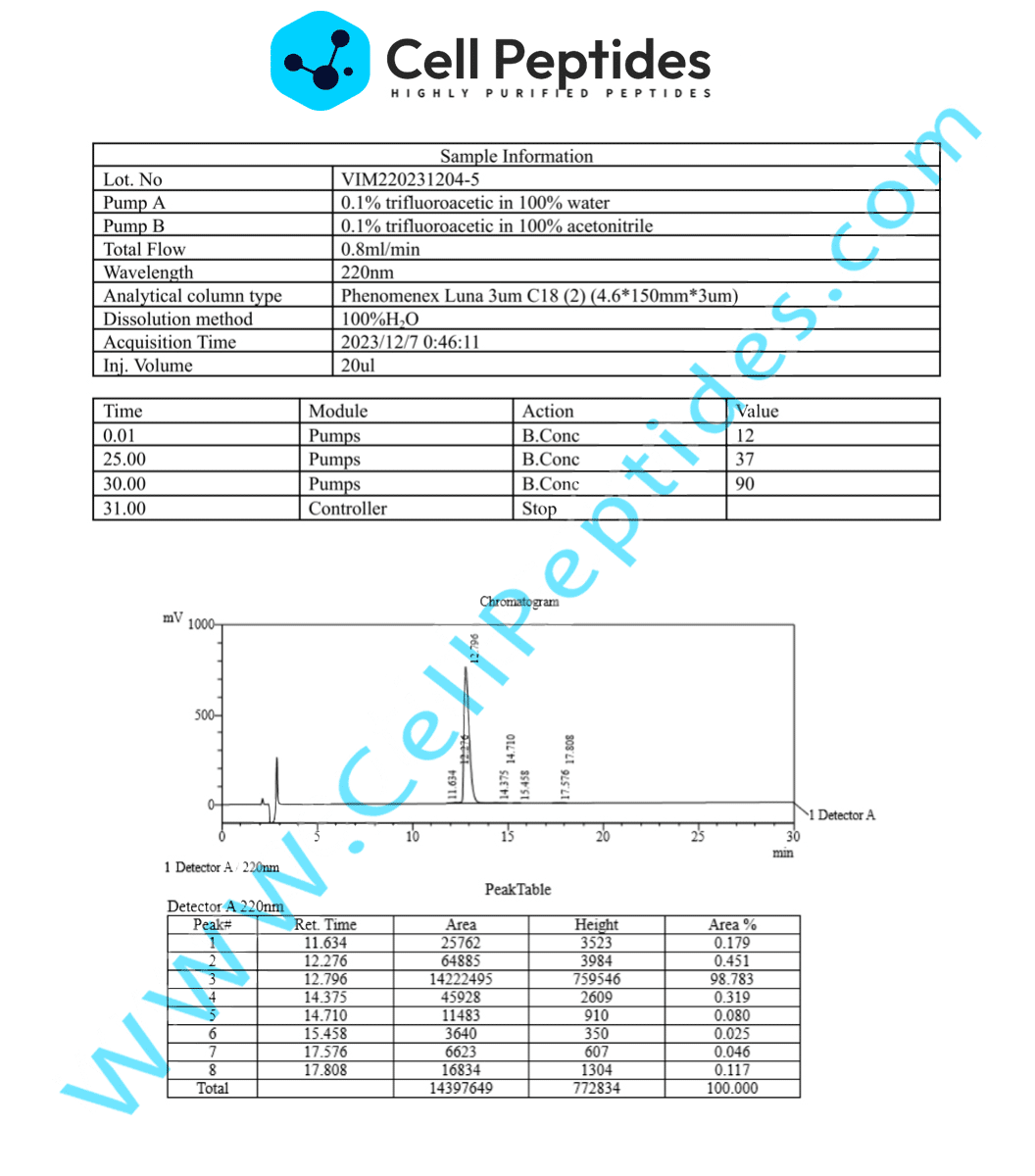
- Independently lab tested, so you can review our certificates of analysis for purity and composition yourself, and start your research on the right foot.
- Designed for research protocols that mirror real-world clinical conditions (most people would rather skip needles).
Not every “must-have” you’re looking for in a supplier is scientific, though, so we also do our best to tick the other boxes on your wish list. CellPeptides offers fast, global shipping — and we’re flexible about payment methods, too. That means we accept crypto as well as bank transfers and credit cards.
Have questions, about your order or your research design? We’re a Swiss-based scientific and research company, and we’re serious about supporting your scientific discoveries. That doesn’t end in our WHO/GMP and ISO 9001:2015 certified lab — our customer support staff are peptide nerds as well, and you’re welcome to run your questions by us any time.
Scientific References and Sources
- https://pmc.ncbi.nlm.nih.gov/articles/PMC9678288/
- https://pmc.ncbi.nlm.nih.gov/articles/PMC4717094/
- https://www.jstage.jst.go.jp/article/jphs/108/1/108_FP0072161/_article/-char/ja/
- https://www.benthamdirect.com/content/journals/cpd/10.2174/1381612826666200523180301
- https://www.frontiersin.org/journals/pharmacology/articles/10.3389/fphar.2021.627533/full
- https://www.sciencedirect.com/science/article/abs/pii/S0928425797894806
- https://journals.lww.com/nrronline/fulltext/2022/03000/pentadecapeptide_bpc_157_and_the_central_nervous.3.aspx
- https://synapse.koreamed.org/articles/1147042
- https://onlinelibrary.wiley.com/doi/abs/10.1002/jor.21107
- https://onlinelibrary.wiley.com/doi/abs/10.1002/jor.20089
- https://www.sciencedirect.com/science/article/abs/pii/S875632829800180X
- https://www.mdpi.com/1424-8247/18/2/185


 Cart is empty